Hola, mi nombre es Roberto Pena, vivo en Argentina en la ciudad de Esquel, y hace más de 18 años que inicie mi negocio de diseño de sitios web, Punto Web Esquel, mis proyectos son enteramente realizados en el CMS WordPress
Antes de empezar con el tema central queria agradecerle a Pamelis por la invitación para realizar un post en su sitio, y desearle mucha suerte con su agencia, es una gran profesional .
Pero bueno empecemos de una vez , hoy les voy a hablar de las tendencias para el diseño de sitios web que tenemos para este 2021.
El diseño de una página web camina de la mano con el avance de la tecnología. Diariamente surgen herramientas para hacer más agradable y sencilla la experiencia de los usuarios, por eso es necesario adaptarse a las nuevas estructuras, formatos y tendencias.
Nunca hay que perder de vista el objetivo: promocionar y vender productos o servicios. Pero si no tenemos una web actualizada y bien diseñada, difícilmente lo lograremos.
Recuerda que la imagen dice mucho y si los clientes potenciales se topan con un sitio anticuado y desorganizado, no armarán una referencia correcta de tu negocio.
Por eso es necesario mantenernos a la vanguardia, renovar el aspecto y apegarse a estilos actualizados, que respondan al gusto de los visitantes.
No pierdas pista de estas ideas
La sencillez lleva la batuta en el 2021 acoplando elementos gráficos que armonicen la interfaz.
Conoce algunas de estas ideas que ahora marcan la pauta del diseño web:
- Minimalismo. Los expertos no se equivocan cuando comentan que “menos es más”. Son proyectos en los que predomina el blanco o los tonos claros, se añaden solo los elementos necesarios, las tipografías llevan único un color y las imágenes son suaves; en general, prevalece la limpieza.
Se dejan por fuera las distracciones como banners, chats o pop ups, por considerárseles intrusivos. Incluso, los formularios para suscribirse están bajo la mira, en cuanto a legalidad se refiere.
- Hero. Propone evolución en contraste con los diseños utilizados en los últimos tiempos. Relega gradualmente los sliders, porque requieren tiempo para visualizarlos, aparte de consumir muchos recursos mientras cargan.
Plantea imágenes completamente anchas, que atraigan inmediatamente la vista del usuario. Aplican como portada de una página. En ocasiones se fusionan con colores degradados y botones transparentes, debido a su ligereza.
- Handmade. Alude específicamente a la tipografía que se usa. Son fuentes de carácter que aportan personalidad exclusiva a la página web
Se sugiere aprovecharlas en las áreas que queremos destacar, como titulares, logos y cabecera.
No quiere decir que las fuentes de gran tamaño sean suprimidas totalmente, pues está claro que estas impactan y persiguen la interacción con el usuario.
También se toman en cuenta los textos ubicados de forma horizontal y vertical, como recurso que capte la atención del visitante.
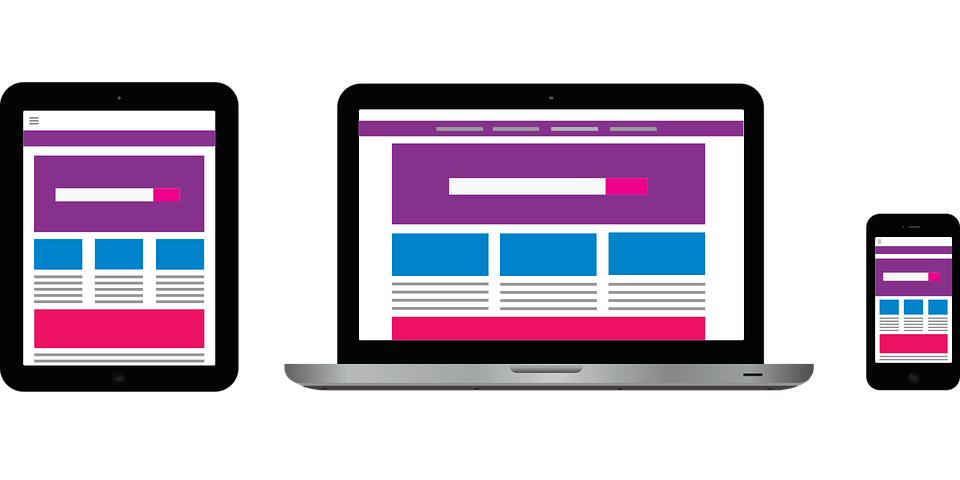
- Diseño responsive. Prácticamente es obligatorio que este año los sitios web sean de carácter responsive. La finalidad es que el usuario pase más tiempo en nuestra página; para ello, esta tiene que significar legibilidad, usabilidad y rapidez de navegación.
Es esencial que responda en cualquier dispositivo, independientemente del tipo de diseño que se emplee. Por eso la velocidad de carga tiene que ser óptima y dependerá del aspecto gráfico.
- Cinemagraphs. Esta es otra de las tendencias del 2018. Consiste en imágenes fijas con alguna parte en movimiento; según encuestas, en el año tendrían más presencia que los videos.
Con Photoshop se crean cinemagraphs, sin ser expertos en diseño gráfico. Debido al auge que registran, es posible que surjan más aplicaciones (como Zoetropic) para hacerlos.
- Diseños modulares. Se apega a la alternativa de los acabados simples, por ejemplo Pinterest. Esta interfaz se hace más fácil para el usuario, si hay menos texto y cargan más bloques que se adaptan a la lectura y al responsive en cualquier dispositivo, siempre haciéndolo menos pesado.
Manos a la obra
Apenas son un vistazo de lo que está en boga este año. La idea no es que las uses todas, sino que elijas las que se correspondan con las metas y finalidades de tu proyecto.
Con estos consejos pon manos a la obra y atrápanos con una excelente web.
Un saludo desde la Patagonia Argentina
Roberto Pena